Utility & Light Vehicles

Electric Drive Solutions for Utility & Light Vehicles

Compact traction and transaxle systems developed around payload, low-speed manoeuvring, gradient, battery range, vehicle packaging and dependable daily operation.

Application-to-Solution Guidance

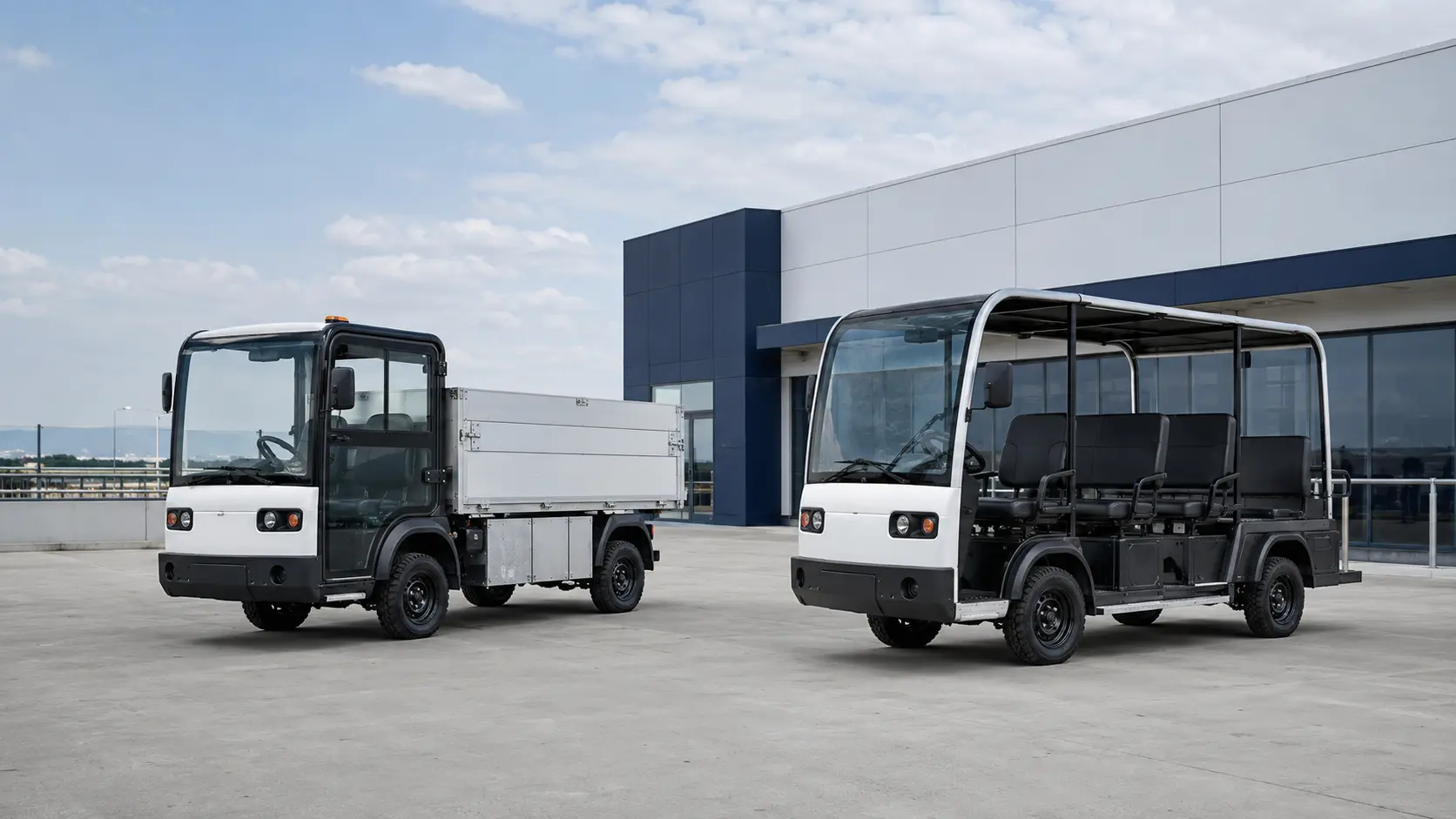
Compact Commercial Vehicles equipment application

Compact Commercial Vehicles

Traction systems for compact delivery, site-service and light commercial platforms, selected around payload, route speed, gradients, operating range and installation envelope.

Suitable SDT solution
Direct-drive traction motors, BLDC or PMDC motor systems, transaxles, wheel drives and geared auxiliary actuators.
Engineering benefit
Propulsion and auxiliary performance developed around acceleration, gradeability, speed, range, braking, vibration and environmental exposure.
Representative capability
Direct-drive and traction configurations · transaxles 12–72 V and 150 W–11 kW · wheel platforms to 50 N·m peak
Municipal & Service Vehicles equipment application

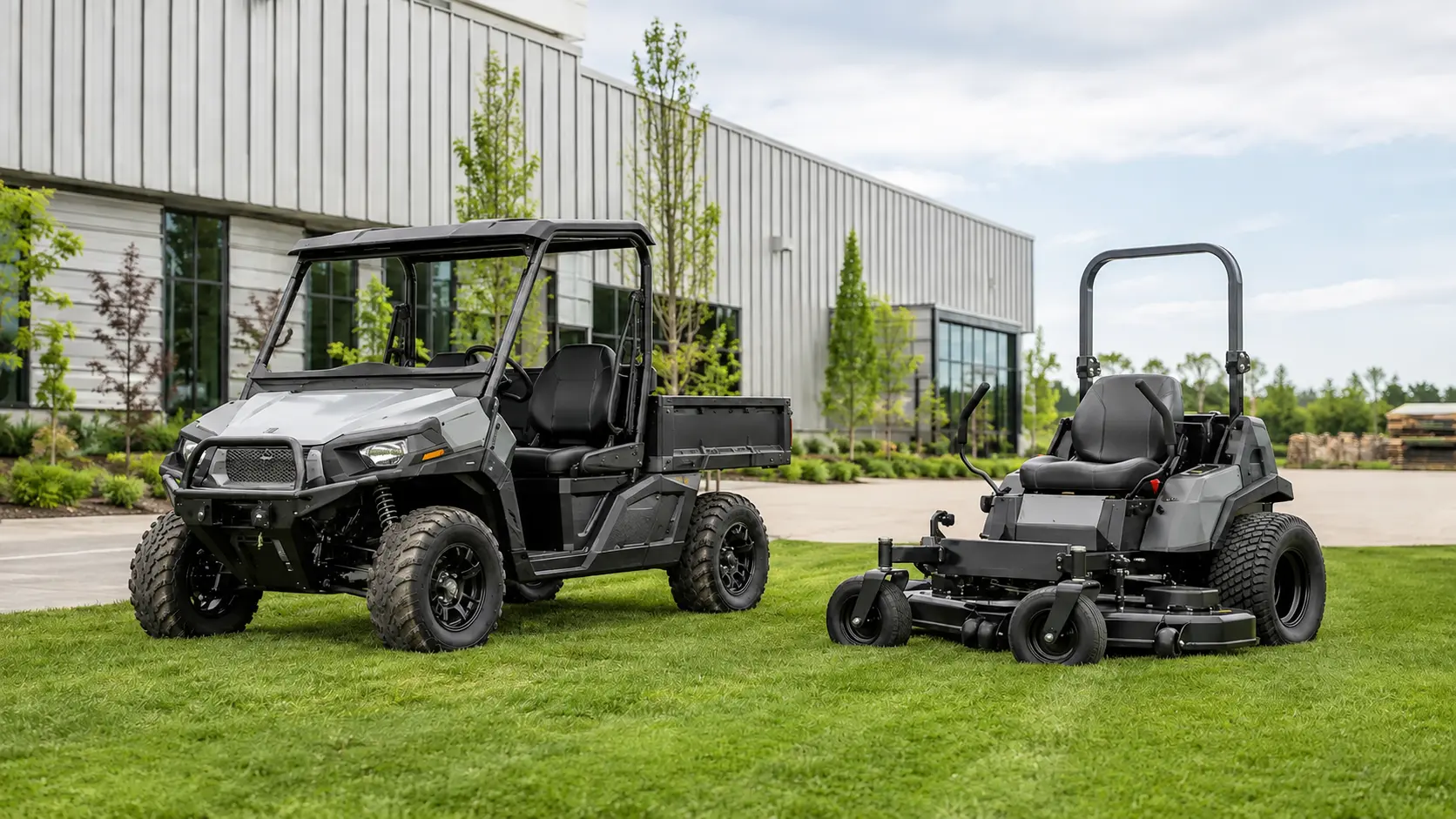
Municipal & Service Vehicles

Robust traction and auxiliary motion for compact municipal, grounds-service and facilities vehicles with repeated stopping, changing payload and extended daily use.

Suitable SDT solution
Direct-drive traction motors, BLDC or PMDC motor systems, transaxles, wheel drives and geared auxiliary actuators.
Engineering benefit
Propulsion and auxiliary performance developed around acceleration, gradeability, speed, range, braking, vibration and environmental exposure.
Representative capability
Direct-drive and traction configurations · transaxles 12–72 V and 150 W–11 kW · wheel platforms to 50 N·m peak

Motion requirements & engineering challenges

What the Application Requires from the Drive System

A credible selection begins with the real operating duty. These inputs determine continuous rating, peak capability, technology choice and the level of integration required.

Suitable technologies & solution architecture

Engineer the Complete Motion System

Utility-vehicle propulsion is defined by the payload, route and repeated working cycle. Traction motor, transaxle, brake, battery and auxiliary functions are coordinated around practical daily operation.

01

Route-matched traction platform

Brushless, PMDC, transaxle or integrated-drive solutions are selected from vehicle mass, wheel torque, route speed, gradient and acceleration.

02

Drivetrain and braking

Reduction ratio, differential, wheel diameter, axle load, service brake and holding behaviour are matched to manoeuvring and stopping requirements.

03

Battery and vehicle control

Bus voltage, peak current, feedback, acceleration limits, regeneration and communications are coordinated with the vehicle control architecture.

04

Working-cycle verification

Range, thermal capacity, repeated starts, payload changes, ingress, vibration and auxiliary loads are checked over a representative route.

Representative product platforms

Featured Motor & Drive Families

Representative ratings are shown to identify the appropriate technology route. SDT can supply standard, modified and application-specific motor and drive solutions beyond the ranges currently displayed online.

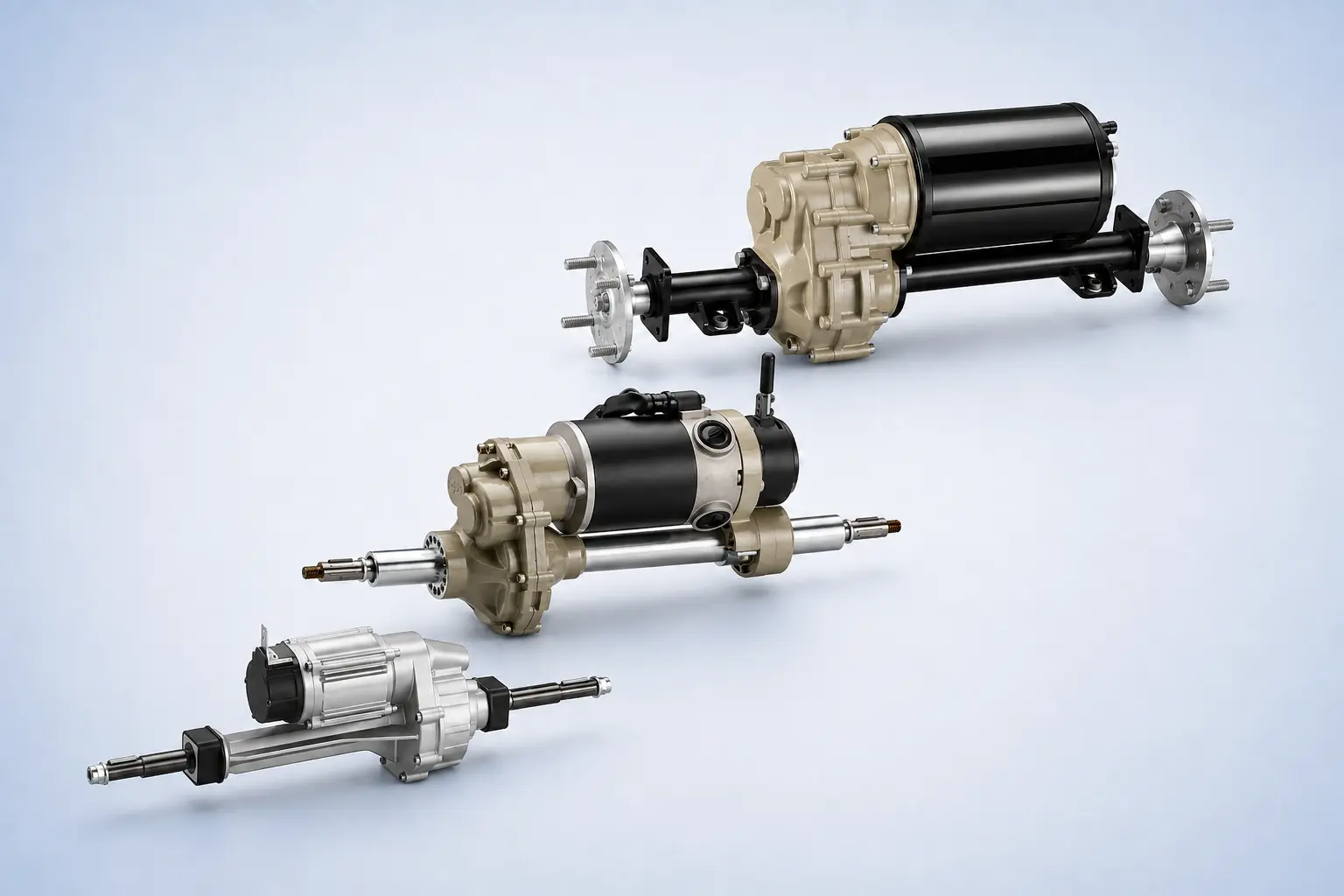
Transaxle Drive Systems product family
12–72 V · 150 W–11 kW · PMDC, BLDC/PMSM and AC configurations

Transaxle Drive Systems

Integrated motor, reduction, differential, axle and brake solutions for compact vehicles.

Explore More
Direct Drive & Traction Motors product family
Direct-drive, PMSM/BLDC traction and auxiliary configurations · application-rated

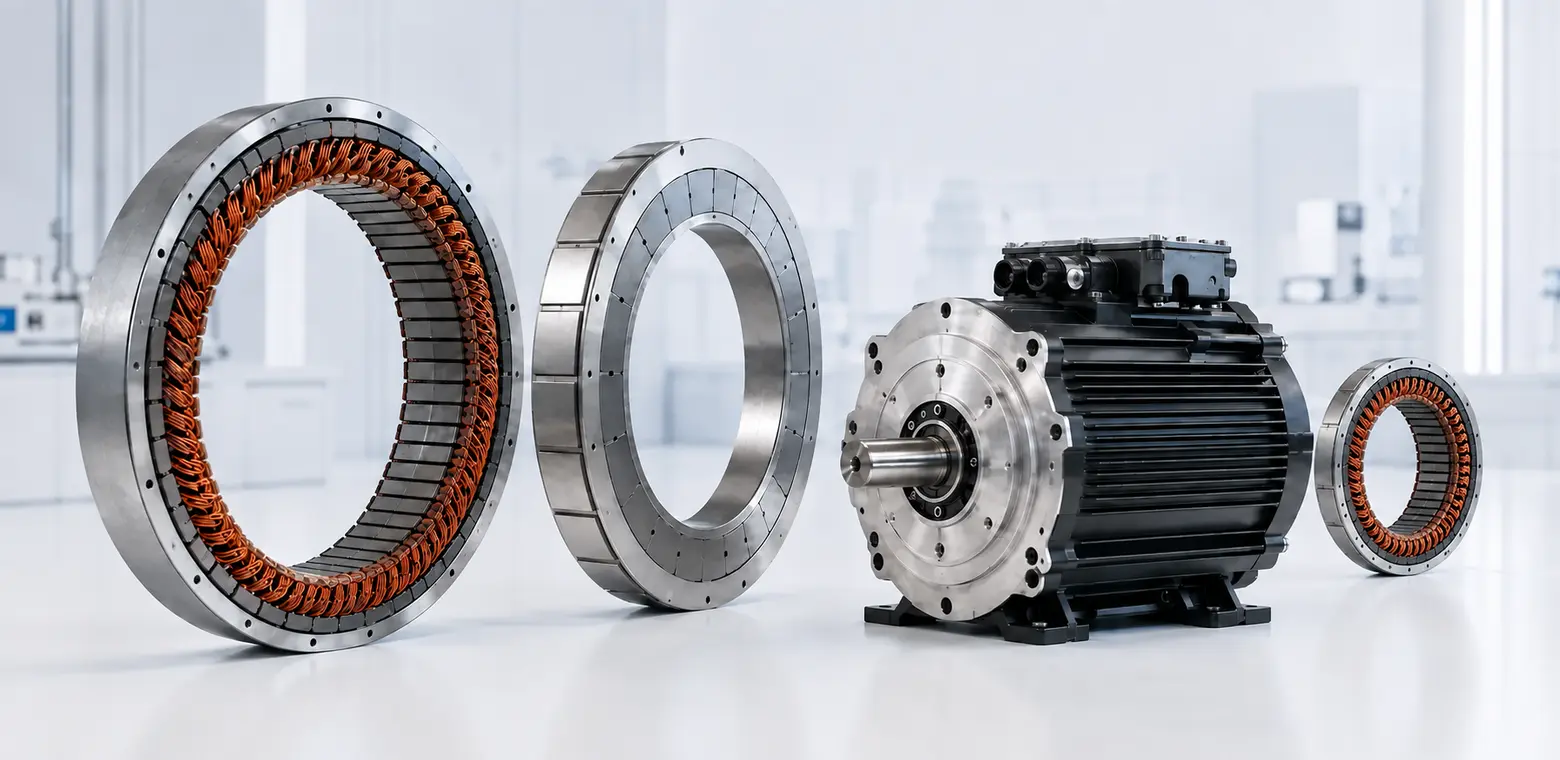
Direct Drive & Traction Motors

Power-dense configurations for higher-performance propulsion duties.

Explore More
Brushless DC Motors product family
20 W–4.5 kW · selected windings to 20,000 rpm · Hall, encoder and drive options

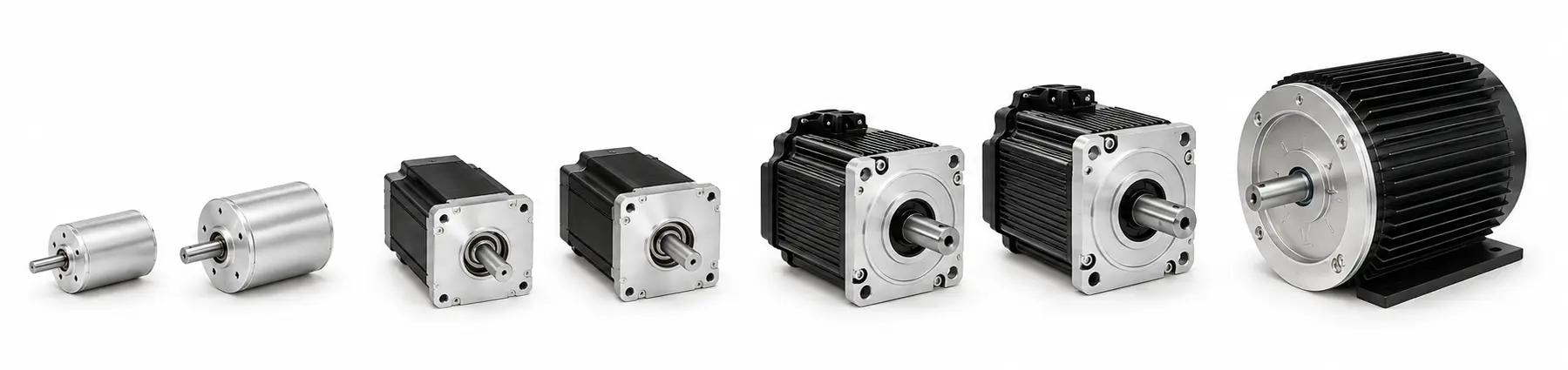
Brushless DC Motors

Efficient controllable motors for traction and vehicle auxiliaries.

Explore More
PMDC Motors product family
6–240 VDC · 5–950 W · brake, feedback, shaft and winding options

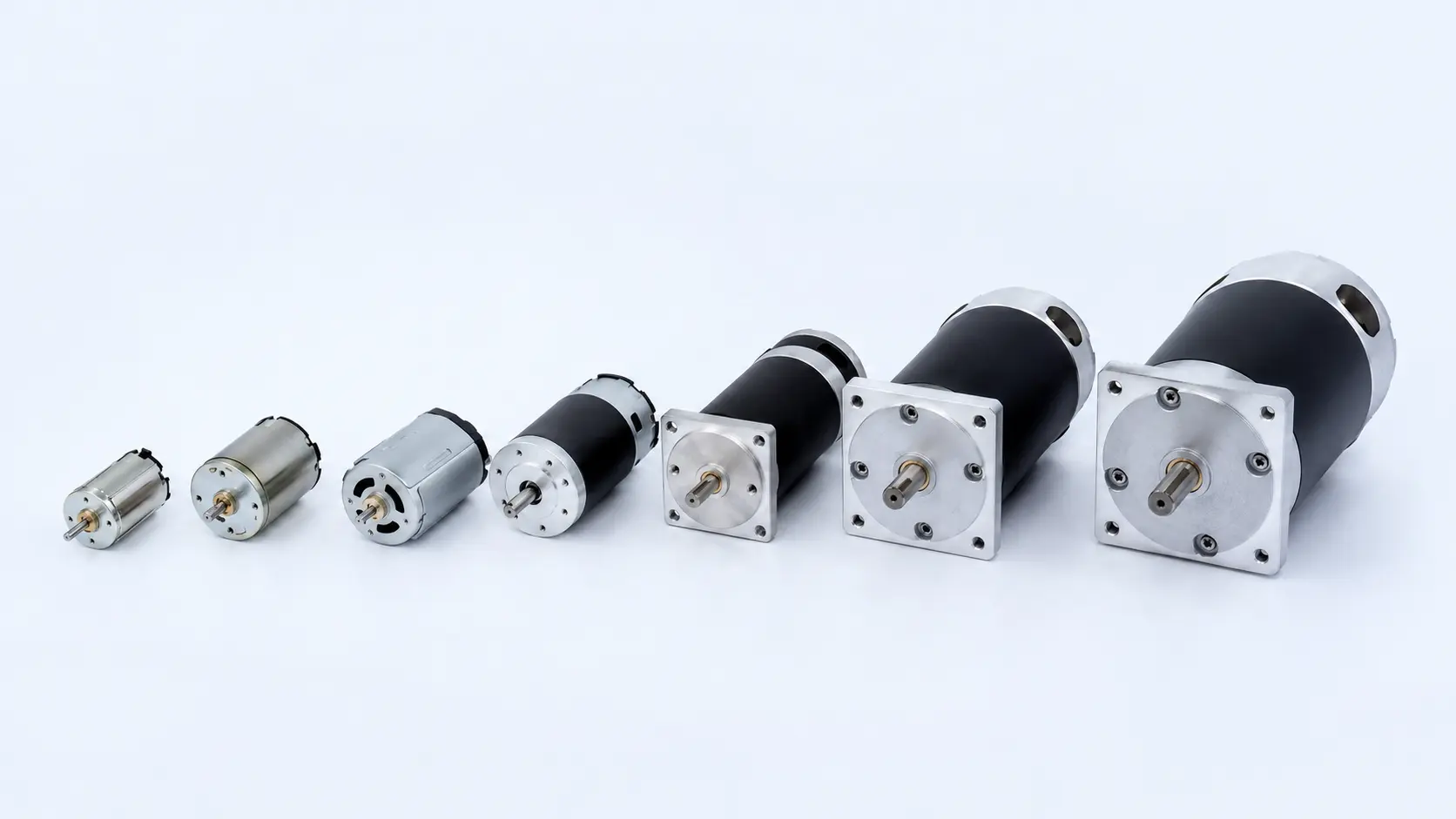
PMDC Motors

Practical low-voltage platforms for auxiliary and intermittent functions.

Explore More

Engineering support & specification route

From Requirement to Production-Ready Solution

SDT works as an extension of the OEM engineering team, supporting the route from initial duty definition through configuration, validation and dependable production supply.

01

Define the requirement

Establish operating points, load, duty, envelope, environment, power source, controls and commercial objectives.

02

Configure the solution

Select and adapt the motor, transmission, feedback and drive arrangement around the complete equipment function.

03

Validate & supply

Verify performance and integration, support design transfer and establish the appropriate repeat-production route.

Discuss your application

Start with the Equipment Requirement

Share the operating points, duty cycle, environment, mechanical envelope, power source and production objective.

Discuss Your Project