Broad electrical range
Representative 6–220 VDC windings and outputs from 5 W to 2.0 kW support battery and rectified DC-bus systems.
Platform-level product information
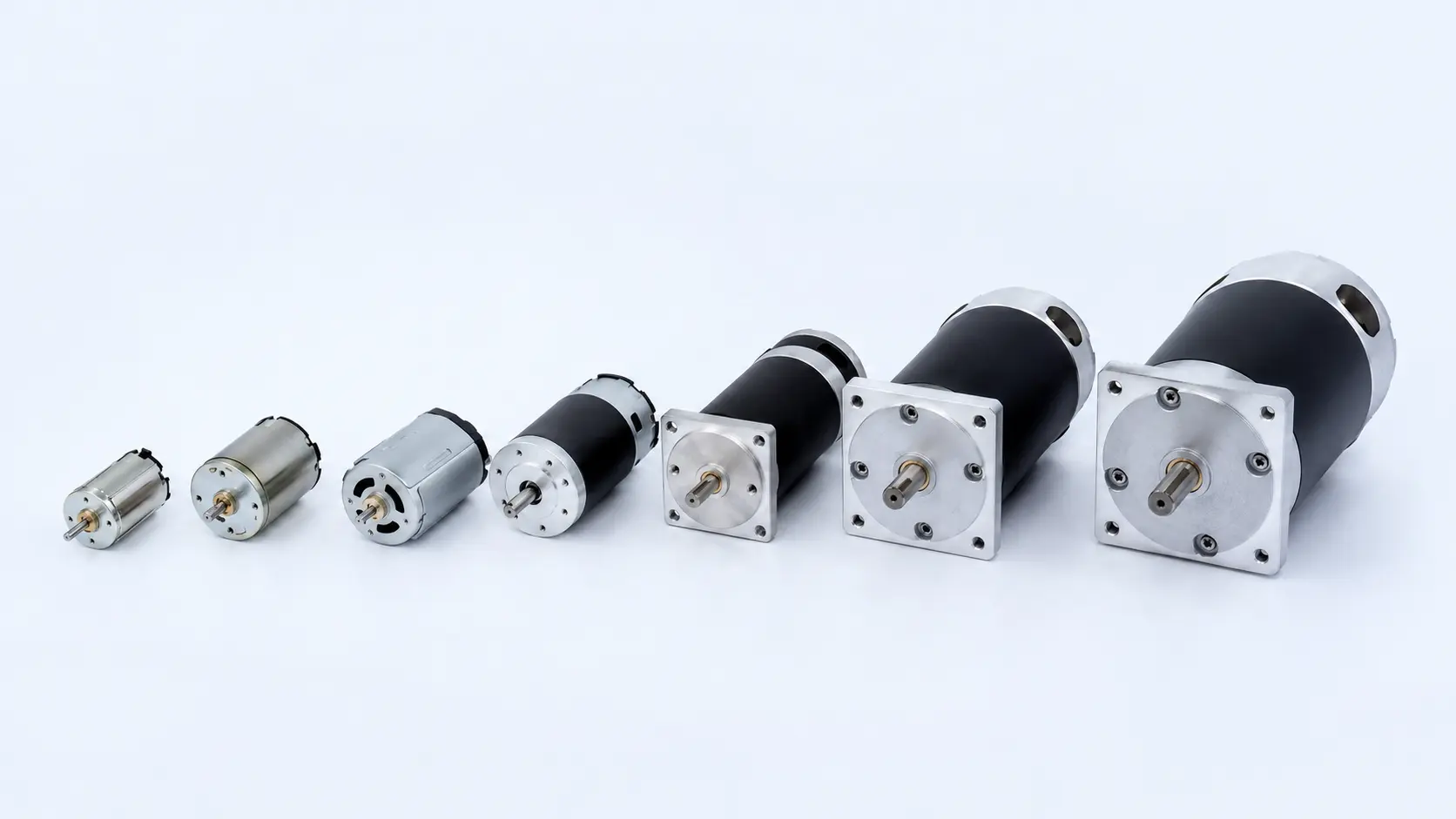
Compare the established frame families, then confirm the winding and mechanical configuration around the required operating point.
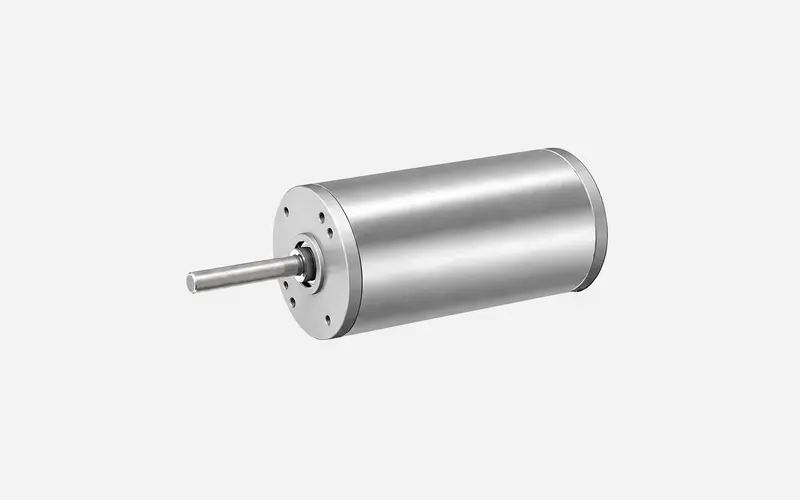
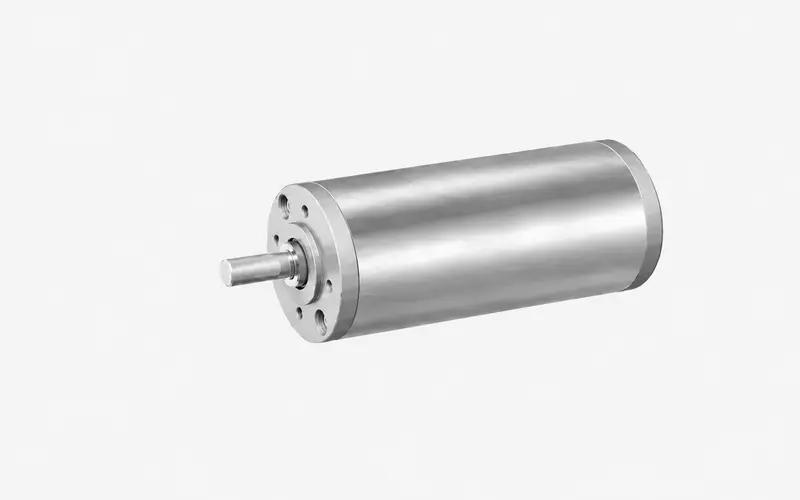
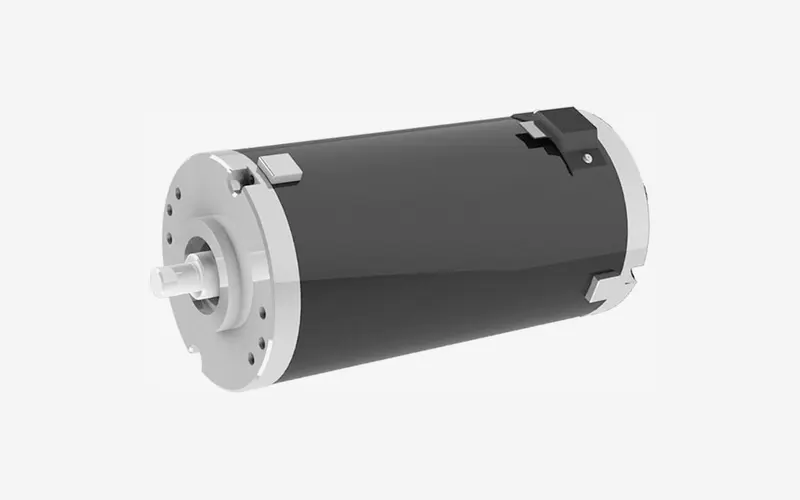
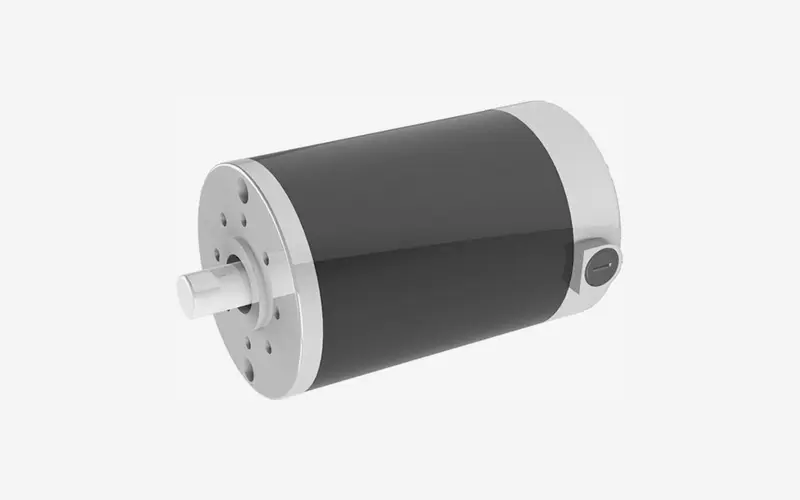
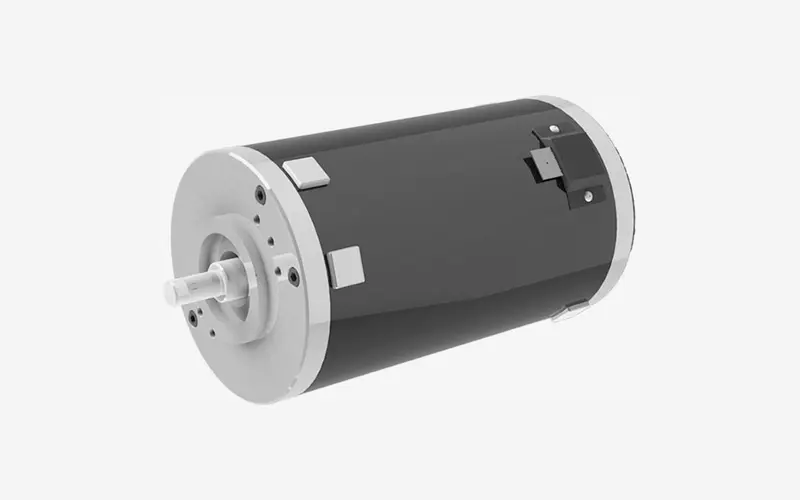
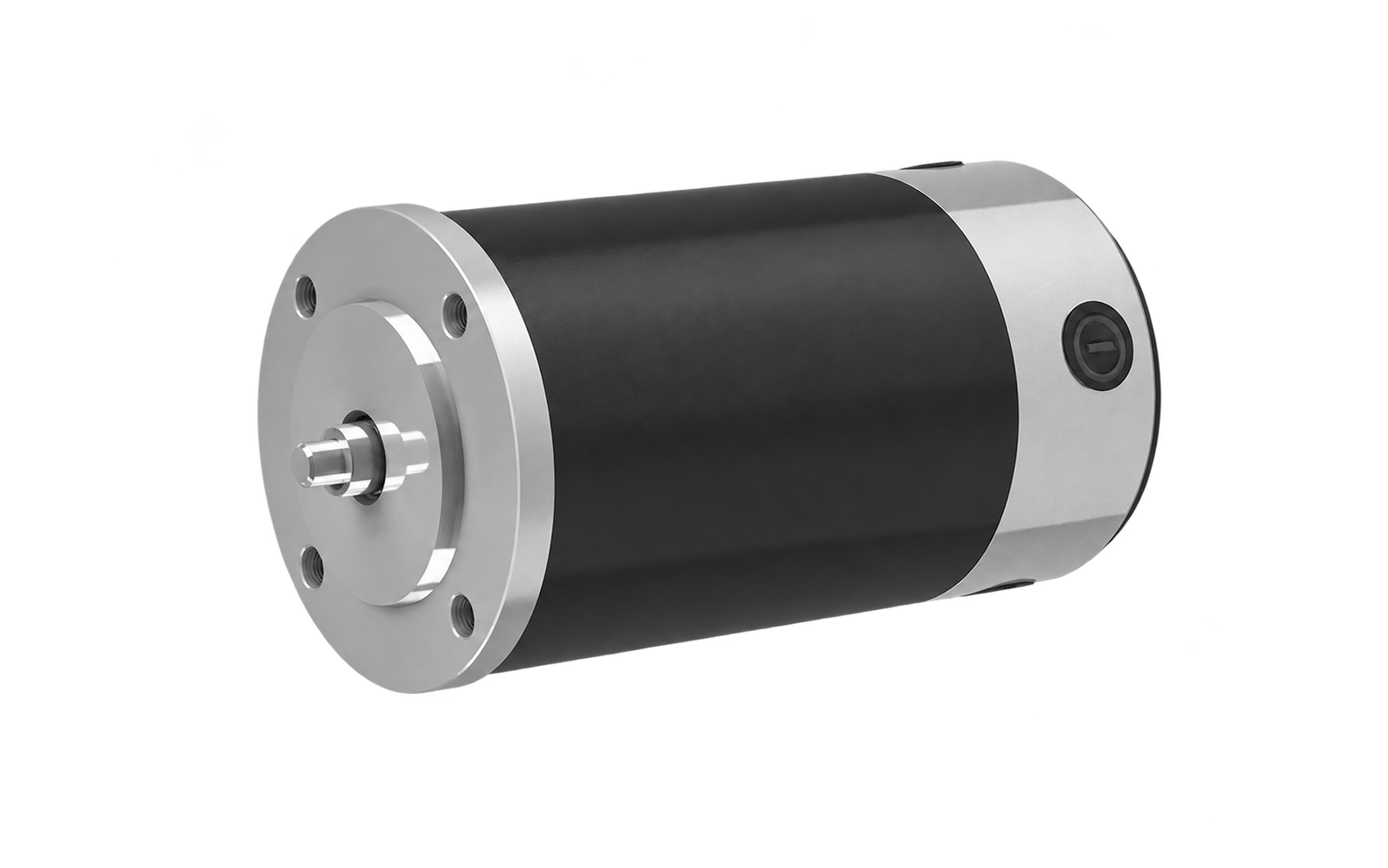
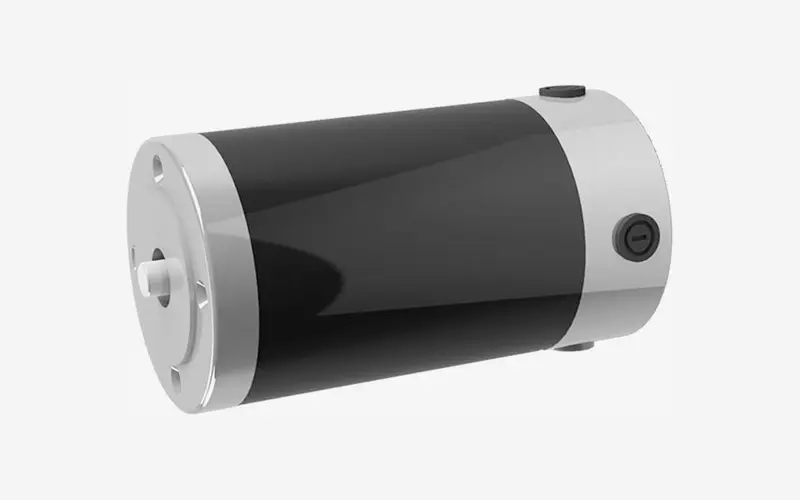
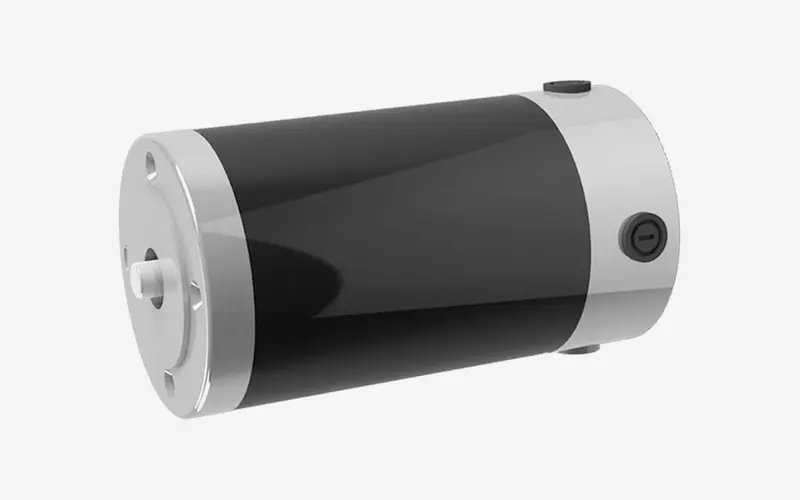
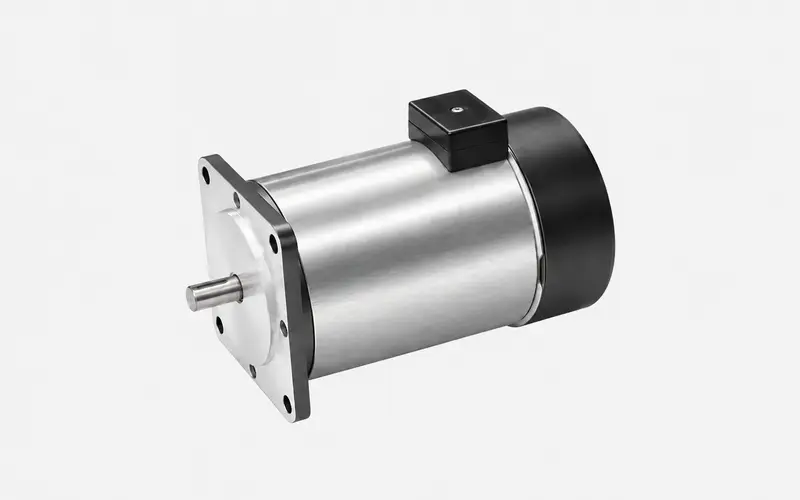
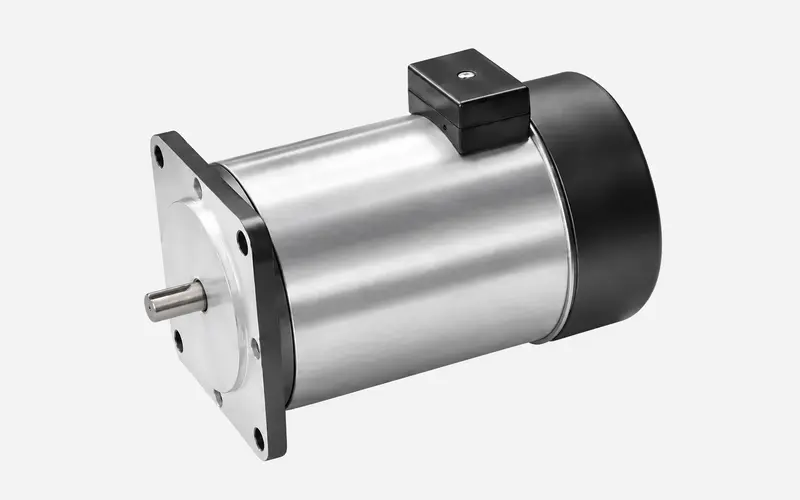
Technical range overview
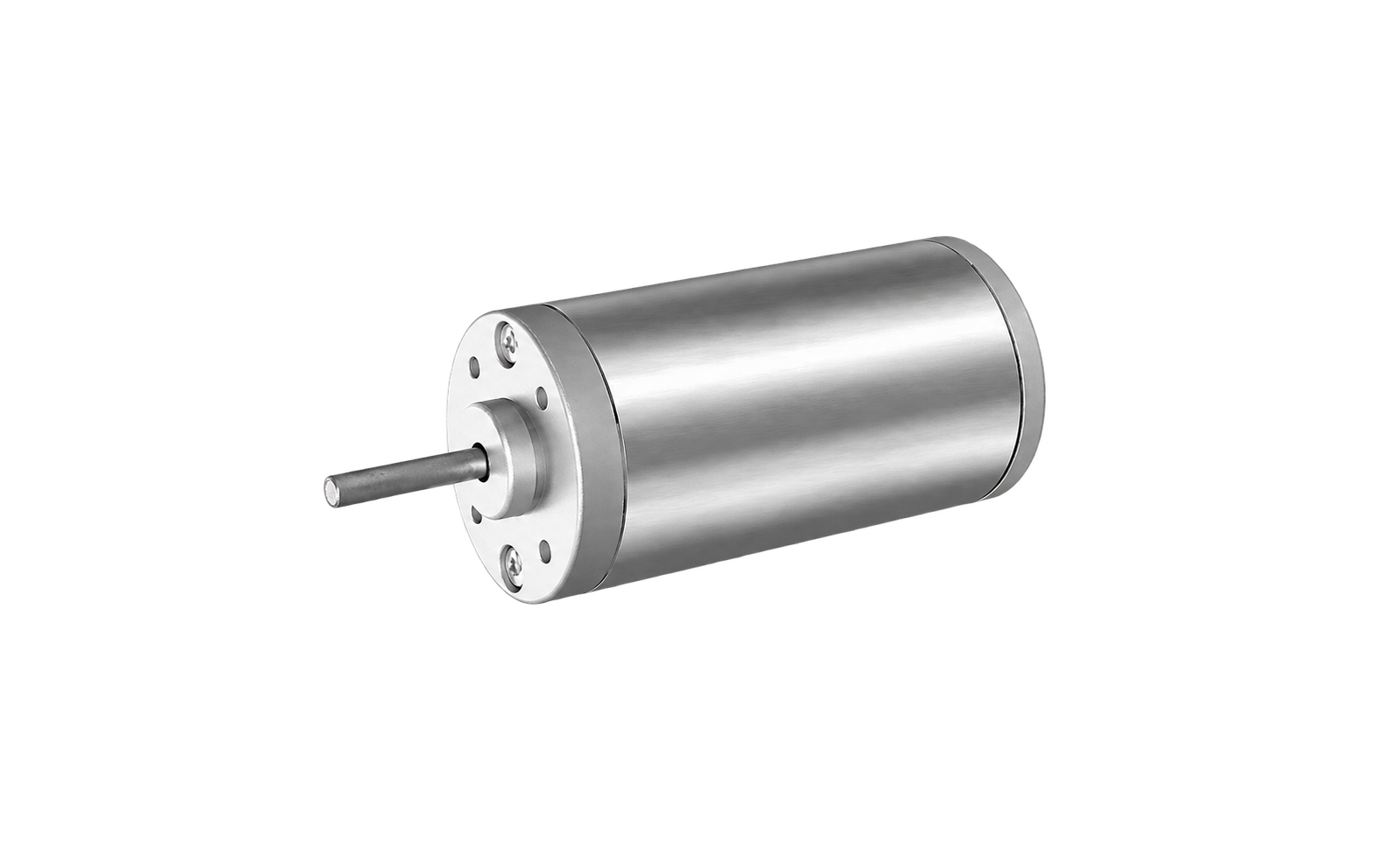
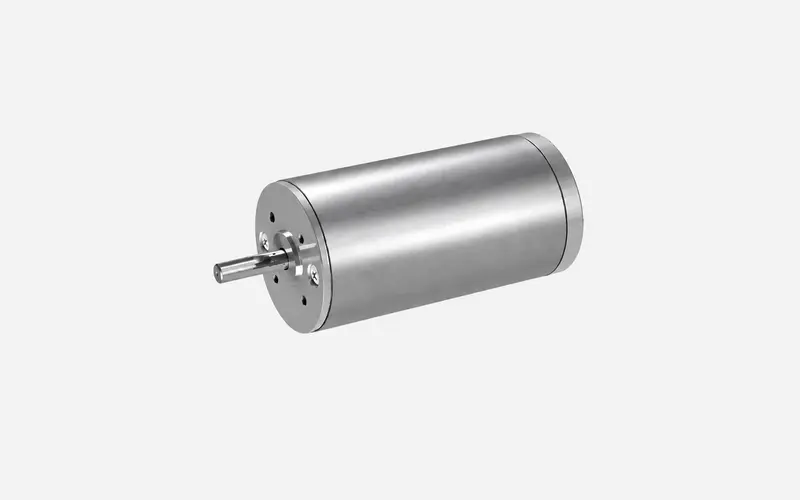
Compare the principal voltage, output and speed ranges, then request the full technical data for detailed selection.
| Nominal size | Typical voltage | Rated power | Typical rated speed | Continuous torque | Intermittent torque | Typical length |
|---|---|---|---|---|---|---|
| Ø30 mm | 6–40 VDC | 5–20 W | 2,500–5,000 rpm | 10–40 mNm | 20–80 mNm | 35–65 mm |
| Ø40 mm | 6–48 VDC | 15–50 W | 2,500–5,000 rpm | 35–100 mNm | 70–200 mNm | 45–90 mm |
| Ø50 mm | 12–60 VDC | 30–100 W | 2,500–5,000 rpm | 80–250 mNm | 0.15–0.50 N·m | 60–110 mm |
| Ø55 mm | 12–60 VDC | 40–150 W | 2,500–5,000 rpm | 0.10–0.35 N·m | 0.20–0.70 N·m | 65–125 mm |
| Ø65 mm | 12–220 VDC | 75–200 W | 2,500–5,000 rpm | 0.20–0.55 N·m | 0.35–1.0 N·m | 80–145 mm |
| Ø75 mm | 12–220 VDC | 100–300 W | 2,000–4,500 rpm | 0.30–0.90 N·m | 0.50–1.5 N·m | 100–175 mm |
| Ø80 mm | 12–220 VDC | 150–500 W | 2,000–4,500 rpm | 0.40–1.20 N·m | 0.70–2.0 N·m | 110–190 mm |
| Ø90 mm | 12–220 VDC | 200–600 W | 1,800–4,000 rpm | 0.60–1.60 N·m | 1.0–2.7 N·m | 120–205 mm |
| Ø100 mm | 24–220 VDC | 250–750 W | 1,800–4,000 rpm | 0.80–2.0 N·m | 1.3–3.5 N·m | 130–220 mm |
| Ø110 mm | 24–220 VDC | 300–900 W | 1,500–4,000 rpm | 1.0–2.7 N·m | 1.7–4.5 N·m | 140–240 mm |
| Ø125 mm | 24–220 VDC | 400 W–1.1 kW | 1,500–4,000 rpm | 1.5–3.5 N·m | 2.5–5.5 N·m | 160–260 mm |
| Ø130 mm | 24–220 VDC | 450 W–1.3 kW | 1,500–4,000 rpm | 1.7–4.0 N·m | 2.8–6.5 N·m | 170–280 mm |
| Ø140 mm | 24–220 VDC | 500 W–1.5 kW | 1,500–4,000 rpm | 2.0–4.5 N·m | 3.3–7.5 N·m | 180–300 mm |
| Ø150 mm | 24–220 VDC | 600 W–1.8 kW | 1,500–4,000 rpm | 2.5–5.0 N·m | 4.0–8.5 N·m | 190–320 mm |
| Ø160 mm | 24–220 VDC | 750 W–2.0 kW | 1,500–4,000 rpm | 3.0–5.5 N·m | 5.0–9.5 N·m | 200–340 mm |
Selection basis: Continuous torque is the preferred working value. Intermittent torque is a short-duration capability governed by current, winding temperature, cooling and duty cycle. Stall torque is not used as the principal catalogue figure because a brushed PMDC motor cannot normally remain stalled without excessive current and heating. Final winding, speed, current, brush life and thermal performance are confirmed before release.
Engineering value
A configurable brushed DC platform for duties ranging from compact actuation and pumps to mobility equipment, hoists and industrial machinery.
Representative 6–220 VDC windings and outputs from 5 W to 2.0 kW support battery and rectified DC-bus systems.
Skewed, dynamically balanced armatures support smooth rotation, controlled vibration and dependable operation.
Housing, shaft, winding, mounting and connection details can be configured around the equipment envelope.
Typical rated speeds extend from 1,500 to 5,000 rpm, with winding, bearings, cooling and brush loading confirmed for the duty.
Encoders, connectors, pulleys, brakes and gearboxes reduce interface work and simplify production integration.
SDT checks torque, speed, current, thermal duty, shaft loading and environment before quotation and release.
Reliable brushed DC motion
Suitable for equipment needing straightforward speed control, useful starting torque and compact integration.
Standard, modified or new
SDT starts with an established platform where it credibly meets the duty, then considers a controlled modification or a new application-specific motor when the complete requirement demands it.
Define the appropriate PMDC motor
Provide the input voltage, performance needs, envelope, mounting, environment and duty cycle so we can identify the best starting point.