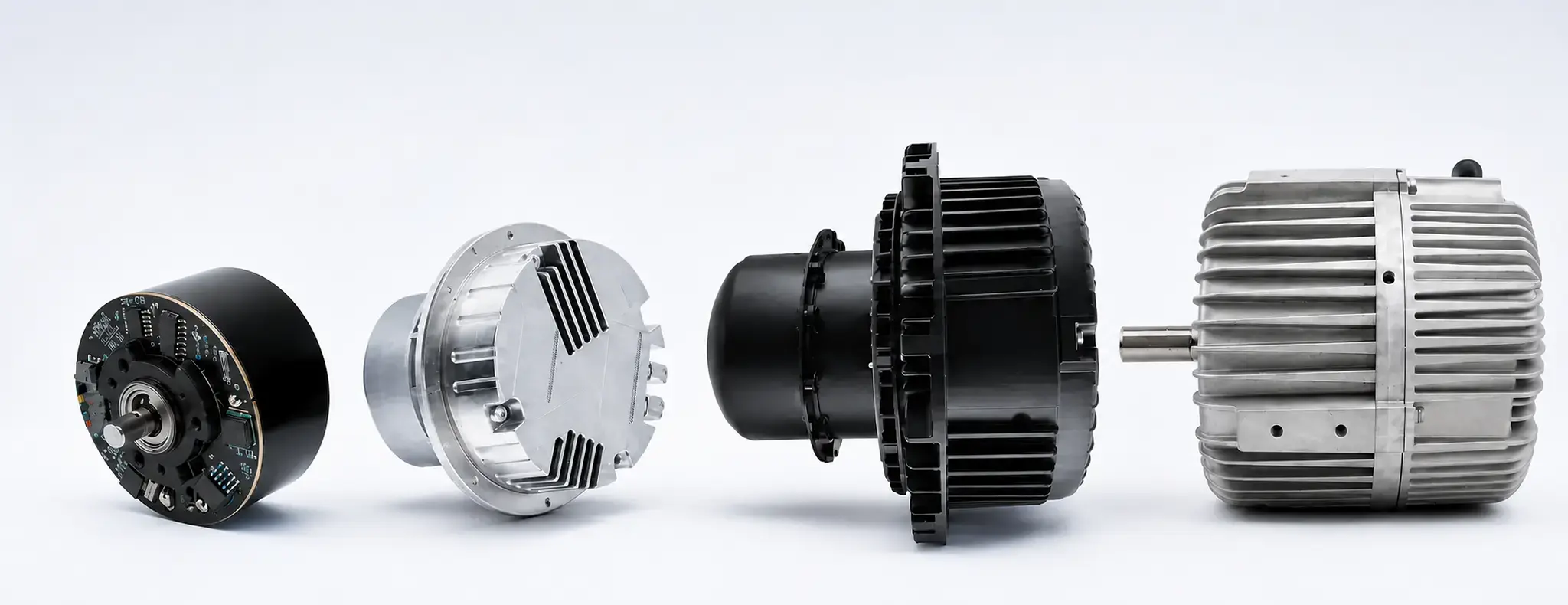
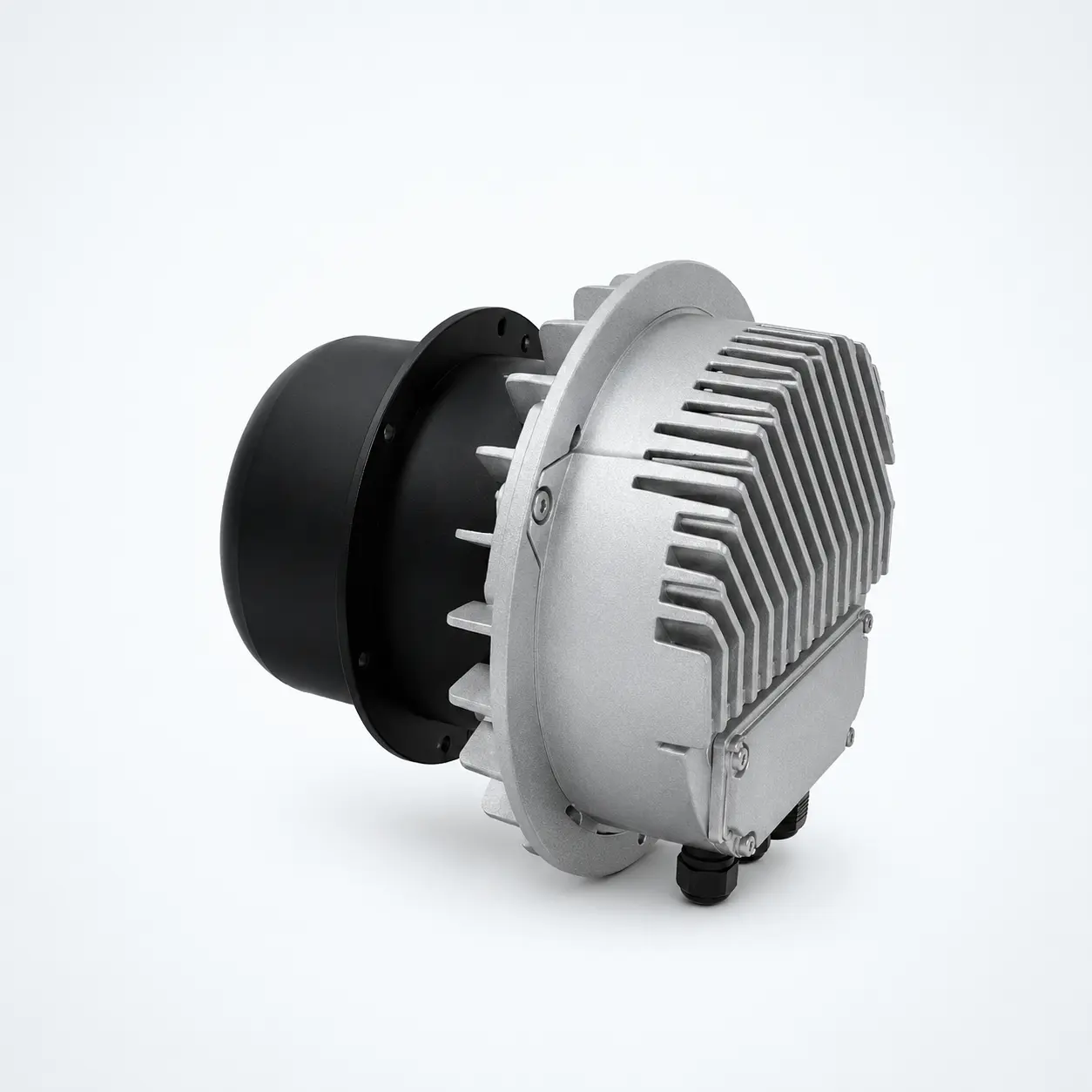
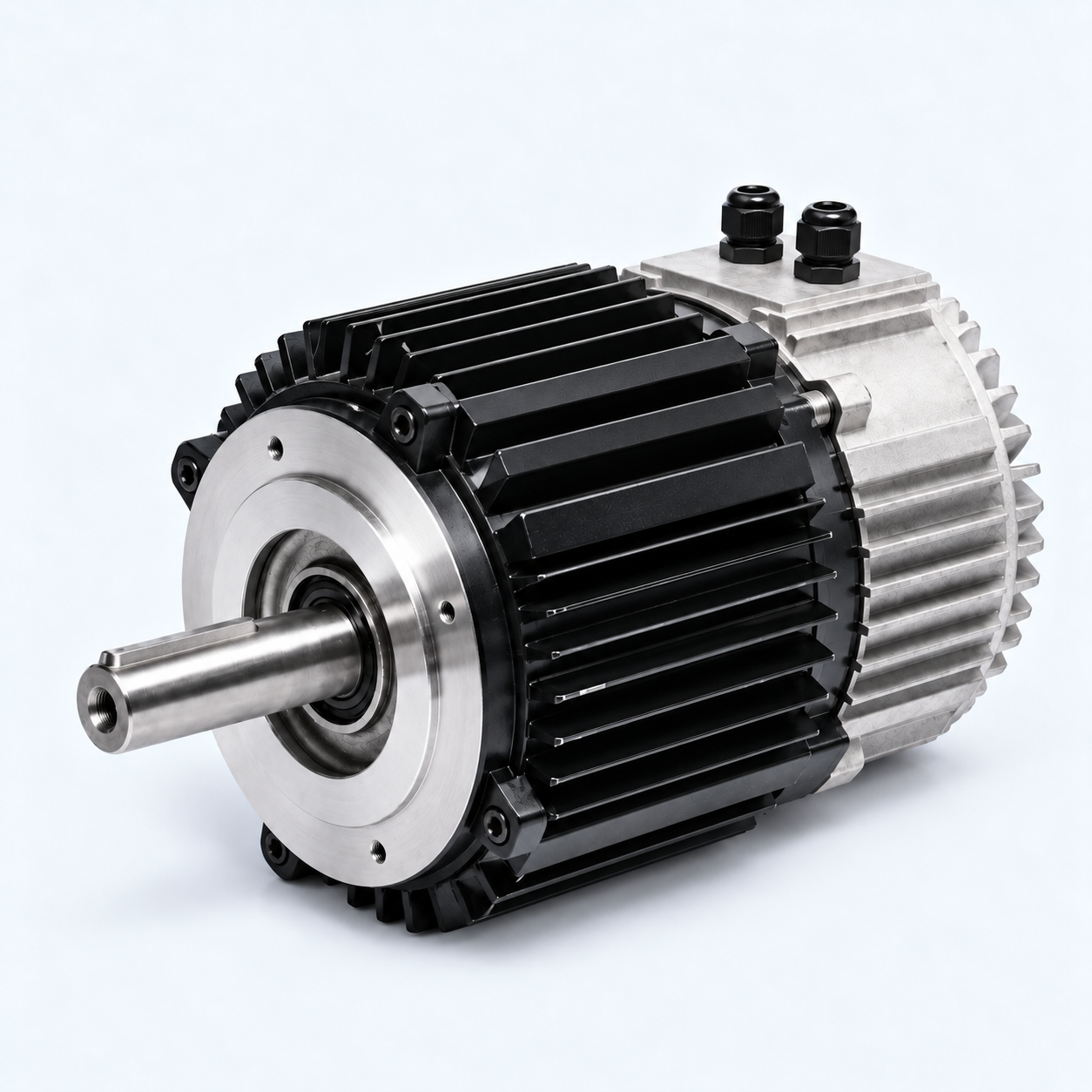
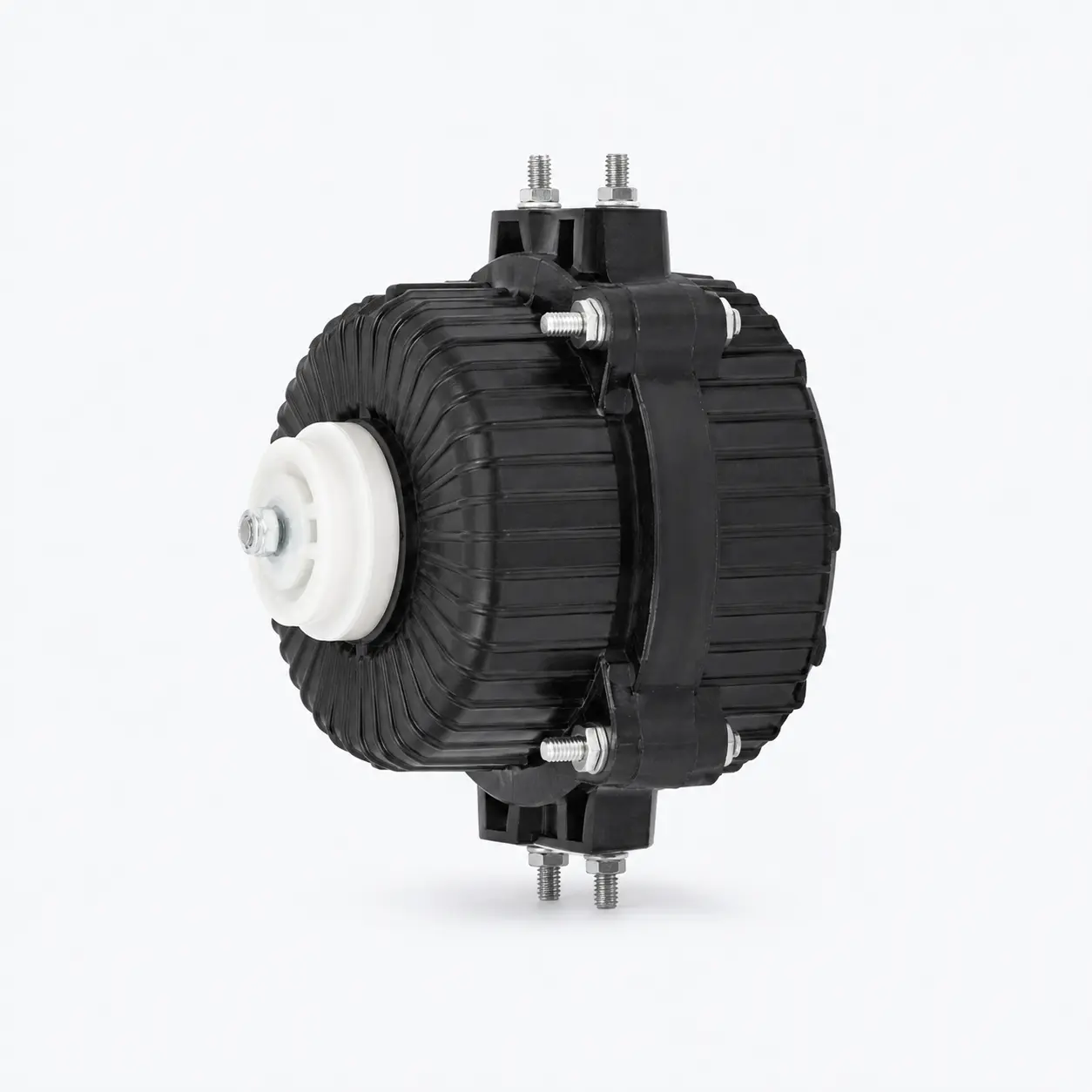
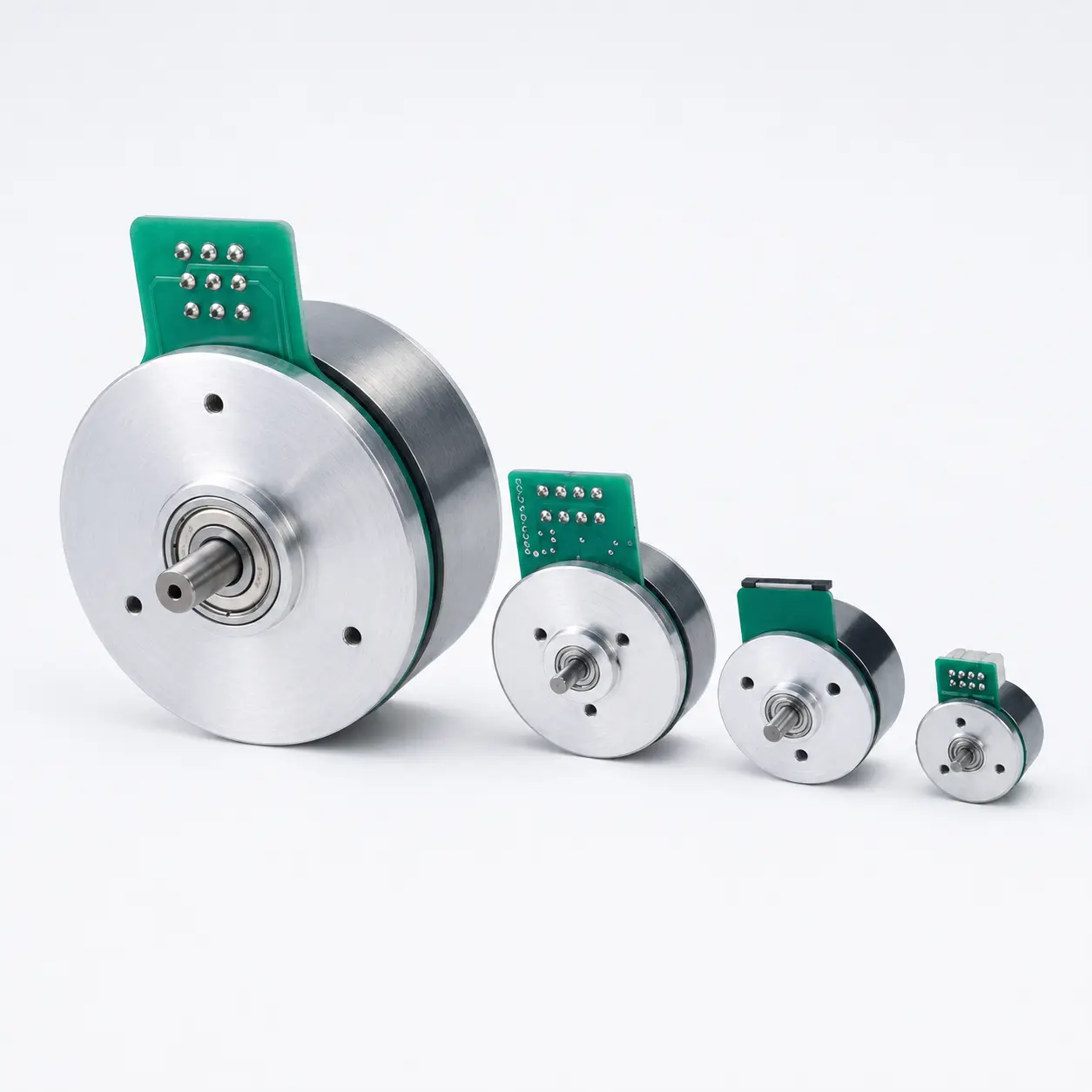
Four EC and BLDC motor architectures with representative frame-size data from 20 to 300 mm. SDT selects the motor and control arrangement against the application duty.
High efficiencyLower energy consumption
Integrated controlMotor, drive & feedback
Flexible designInternal or external rotor
Engineered for efficient, application-matched motion.Efficiency | Control | Integration
Guided product selection
EC Motor Families — Product Overview
Four distinct motor platforms presented in a consistent format for quick technical comparison and product selection.
Select the motor architecture first, then compare supply, power, speed and torque within that family. Frame-size figures are representative starting points; final performance is confirmed against the winding, controller and duty.
Frame sizes20–300 mm across four families
Output examples8 W–5.0 kW, model dependent
Supply examples12–48 VDC / 200–480 VAC, family dependent
ControlIntegrated or matched electronics
How to read the data: Power, speed, torque, efficiency and peak values describe typical configurations or ranges. Their maximum values must not be combined as one simultaneous operating point. Voltage, cooling, winding, control and duty determine the final rating.
01
External-Rotor EC Motors
ECM Series
Compact external-rotor EC platforms developed for efficient air movement and integrated fan assemblies.
Best suited toHVAC fans, blowers, air curtains, refrigeration and commercial air-moving equipment
External-Rotor EC Motors
Frame Size
Supply
Rated Power
Rated Speed
Rated Torque
Efficiency
Protection
Control
90 mm
200–277 / 380–480 VAC
170 W
300–1,800 rpm
0.9 Nm
Up to 85%
IP54
Integrated EC
100 mm
200–277 VAC
500 W
300–1,800 rpm
2.7 Nm
Up to 88%
IP55
Integrated EC
140 mm
200–277 VAC
700 W
300–1,800 rpm
3.7 Nm
Up to 89%
IP55
Integrated EC
160 mm
200–277 / 380–480 VAC
1.1 kW
300–1,800 rpm
5.8 Nm
Up to 90%
IP55
Integrated EC
180 mm
200–277 / 380–480 VAC
1.5 kW
300–1,800 rpm
8.0 Nm
Up to 91%
IP55
Integrated EC
220 mm
200–277 / 380–480 VAC
3.0 kW
300–1,800 rpm
15.9 Nm
Up to 92%
IP55
Integrated EC
250 mm
200–277 / 380–480 VAC
4.0 kW
300–1,800 rpm
21.2 Nm
Up to 93%
IP55
Integrated EC
300 mm
200–277 / 380–480 VAC
5.0 kW
300–1,800 rpm
26.5 Nm
Up to 93%
IP55
Integrated EC
Engineering Features & Options
Motor topology
Electronically commutated permanent-magnet external-rotor construction
High efficiency
High-efficiency EC operation; premium-efficiency designs available
Integrated control
Integrated or external electronic commutation and variable-speed control
Compact construction
External rotor provides a compact, space-efficient package and direct integration with fan impellers
Speed control
Wide variable-speed capability with electronic control
Protection
Integrated motor protection and thermal management options
Connectivity
Analogue/digital control, speed feedback and communications options depending on controller
Low maintenance
Brushless construction eliminates mechanical brush wear
Customisation
Voltage, power, mounting, shaft/rotor interface, electronics and protection options
Once a frame and motor architecture are identified, SDT confirms these interfaces for the installed duty and production requirement.
Supply voltage and winding configuration
Speed, torque and power characteristics
Integrated or external control electronics
Hall sensors, encoders and alternative feedback
Analogue, digital and communication interfaces
Shaft, flange and mounting arrangements
Protection, cooling and environmental requirements
Application-specific mechanical and electrical design
Motor, electronics and equipment integration
Define the Smart EC System Around the Application
Six practical decisions help establish the motor, controller and equipment interfaces before a final configuration is released.
01
Motor architecture
External rotor, conventional internal rotor, industrial PMSM or ultra-flat BLDC selected around the load and available envelope.
Why it matters +
Customer value
Architecture determines how torque, inertia, cooling and the mechanical interface fit the equipment. It should be selected from the application duty—not from headline power alone.
→
02
Power & operating point
Supply, continuous torque, peak demand, speed range and duty cycle establish the credible electromagnetic and thermal solution.
Why it matters +
Customer value
The motor, winding and controller current limits are checked across the real torque-speed-time profile so that stated performance remains usable in the installed duty.
→
03
Control arrangement
Integrated electronics or a separately mounted controller selected around packaging, cooling, service access and equipment architecture.
Why it matters +
Customer value
Integrated control can simplify wiring and assembly; external control can improve thermal separation, accessibility or functional flexibility. The correct route depends on the complete equipment.
→
04
Command & communication
Analogue, digital or networked commands coordinated with feedback, protection and the equipment control system.
Why it matters +
Customer value
The command interface must define what the product actually controls—speed, torque, pressure, flow or another process variable—and how faults and operating status are communicated.
→
05
Mechanical integration
Shaft, flange, impeller, mounting, bearings and connection arrangement configured around the real driven equipment.
Why it matters +
Customer value
A technically suitable EC motor must also assemble reliably, carry external loads, remain serviceable and avoid forcing unnecessary changes into the customer’s product.
→
06
Environment & production
Cooling, ingress, contamination, temperature, lifecycle and production controls confirmed before release.
Why it matters +
Customer value
Environmental protection, thermal validation, controlled drawings and production evidence convert a suitable concept into a dependable OEM product and supply route.
→
Industries & applications
Efficient Variable-Speed Motion
HVAC & air movement
Refrigeration
Pumps & circulation
Commercial appliances
Industrial equipment
Special-purpose OEM systems
Standard, modified or application-specific
Select the Lowest-Risk EC Development Route
SDT begins with a proven motor-and-control platform where it meets the duty, then considers controlled modification or new development when performance, packaging, environment or production requirements demand it.